How Weather in New Jersey Impacts Roof Repairs in Succasunna NJ
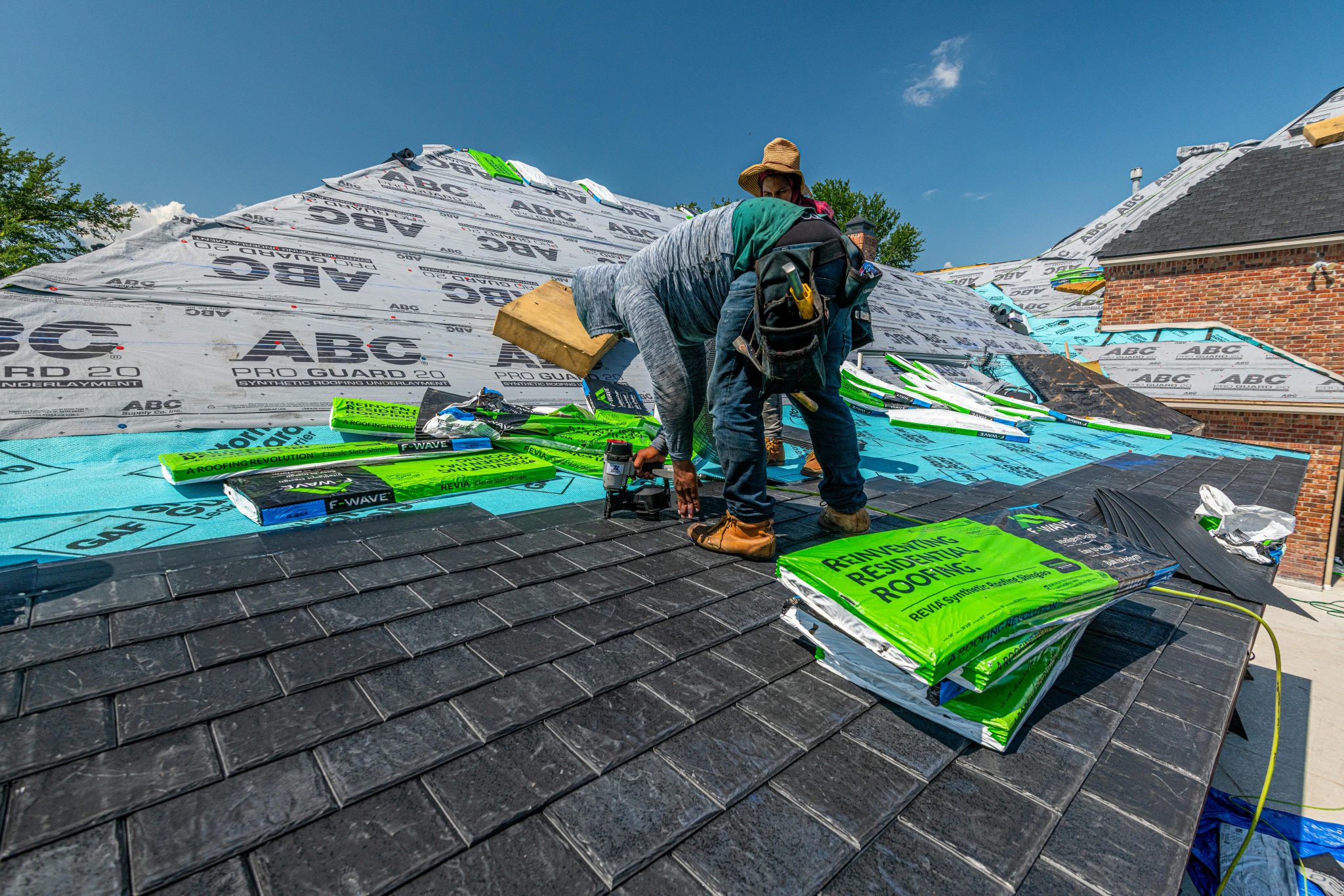
If you work on roofs in Morris County long enough, you stop thinking about weather as background noise. It becomes the jobsite boss. In Succasunna, NJ, roof problems rarely arrive at a convenient time, and repairs almost never happen under ideal conditions for very long. A roof can look stable in October, survive the first cold snap, and then start leaking in January after a cycle of snow, thaw, and refreeze opens up a seam that seemed fine just weeks earlier.
That is the reality of Roof Repairs in this part of New Jersey. The climate is not extreme in the way coastal hurricane zones or desert heat can be extreme, but it is persistent, varied, and hard on roofing systems. Succasunna sees humid summers, freezing winters, heavy rain events, wind, ice, and the kind of seasonal swings that expose every weakness in shingles, flashing, underlayment, ventilation, and drainage. Homeowners often focus on the visible problem, a water stain on a ceiling, a shingle in the yard, a drip near a chimney. Contractors have to think several steps ahead. What caused the failure, what weather made it worse, and whether the current conditions will even allow a lasting repair are separate questions.
That distinction matters. A quick patch applied in the wrong weather can buy a little time, but it may not solve the problem. In some cases, a temporary repair is the right call. In others, waiting for the proper conditions is the only way to avoid doing the same work twice.
Succasunna’s climate creates a specific kind of roof wear
Succasunna sits in a weather pattern that forces roofs to deal with all four seasons in a meaningful way. That sounds ordinary until you look at what that means for roof assemblies over time. Roofing materials expand in heat, contract in cold, absorb moisture, shed water, and rely on adhesives and sealants that behave very differently depending on temperature and humidity.
A roof in South Jersey may deal with more salt air influence. A roof farther north may see longer periods of snow cover. In Succasunna, the combination tends to be repeated temperature fluctuation and mixed precipitation. That is what wears systems down. You may have a mild day followed by a hard overnight freeze. You may have heavy rain after leaves have already clogged the gutters. You may have a snowstorm that is not especially dramatic on its own, but the melting pattern around valleys and eaves creates ice buildup that backs water under shingles.
Those conditions punish small imperfections. A nail pop that would go unnoticed in a dry climate can become a leak path. Flashing that lifted a fraction of an inch in summer heat can allow wind driven rain into a wall assembly by fall. Roof Repairs Succasunna NJ often come down to managing these ordinary but compounding stresses before they become structural damage.
Winter changes what is possible, not just what is needed
Many homeowners first notice leaks in winter, especially after snow accumulation or an ice event. That can be frustrating because winter is also when some repairs become harder to perform correctly. Asphalt shingles, for example, can turn brittle in low temperatures. Walking on them takes more care. Bending or lifting them to access fasteners and underlayment raises the risk of cracking. Sealant strips that help shingles bond may not activate well until warmer conditions return.
That does not mean winter roof work stops. It means the approach changes. Emergency leak mitigation, targeted flashing work, tarp protection, and careful replacement of damaged sections may still be possible, especially on sunny days when surface temperatures rise above the air temperature. But there are times when a full repair should be stabilized first and completed later under better conditions.
One common winter call in Succasunna involves leaks that appear around chimneys or roof penetrations after snow begins to melt. Homeowners often assume the chimney itself is failing, but the actual culprit may be step flashing, counterflashing, or ice forcing water sideways and upward under the roofing. Another frequent issue is bathroom fan ducting that vents improperly into an attic, increasing condensation during cold weather and making a roof leak appear worse than it is. In winter, diagnosis matters just as much as repair.
Contractors with experience in Roof Repairs Succasunna NJ know the difference between a true active roof breach and a moisture problem driven by temperature imbalance. Both matter. They just require different fixes.
Ice dams are less dramatic than people think, and more destructive
When homeowners imagine roof damage from winter, they often picture snow load. In residential work around Succasunna, ice dams are often the more practical threat. They form when heat escaping from the house warms the roof deck enough to melt snow above, while the colder eave area remains below freezing. Meltwater runs down, refreezes near the edge, and gradually creates a barrier. Once water backs up behind that barrier, it can work under shingles and into the roof deck, insulation, walls, and ceilings.
The roof is part of the story, but not all of it. Ice dams are usually a systems problem. Insulation levels, attic air leakage, ventilation design, and gutter condition all influence whether they form. That is why simply removing the visible ice does not guarantee a lasting result. If the attic remains warm and the eaves remain cold, the cycle returns with the next snow.
A house might need localized roof repair https://alexislkni042.almoheet-travel.com/roof-repairs-succasunna-nj-that-preserve-your-home-s-structure after an ice dam event, especially if water intrusion has damaged shingles, underlayment, or flashing. But smart contractors also look at the hidden cause. A homeowner who pays for repeated patchwork each winter may spend more in three seasons than it would have cost to improve attic sealing and ventilation from the start.
Spring reveals what winter hid
Early spring is one of the busiest times for roof inspections in New Jersey because winter damage often becomes visible only after thawing and sustained rain. A roof may survive freezing weather without obvious signs indoors, then leak once spring storms hit the same vulnerable area with wind and prolonged moisture.
This is when you find the quieter forms of damage. Granule loss on aging shingles, loosened ridge caps, flashing separation near dormers, soft decking around plumbing stacks, and staining in attic sheathing from months of condensation or minor infiltration. Spring also exposes drainage issues. Downspouts may have shifted. Gutters may still be packed with debris from fall and winter. Overflow at the roof edge can soak fascia boards and create the impression of a roof failure when part of the problem is water management.
One of the more misleading spring scenarios involves a leak that shows up around a skylight. The skylight often gets blamed first because the water appears there. But in practice, water may be entering several feet upslope where shingles or flashing failed, then following the roof deck until it finds an opening. That is why experienced roofers trace the path, not just the stain.
Spring is also the season when many homeowners decide to delay repairs because the leak has temporarily stopped. That can be costly. Once the weather moderates, symptoms often disappear even though the underlying defect remains. Then summer heat bakes the damaged area, and fall storms reopen it under worse conditions.
Summer is easier for scheduling, harder on materials than people realize
People often assume summer is the best time for all roof work, and in many ways it is the easiest season to plan. Days are longer, surfaces are dry more often, and materials generally seal well. But hot weather brings its own challenges. Roofing crews need to manage both worker safety and material performance.
On very hot days, shingles can soften. Scuffing becomes easier, especially on darker roofs that absorb more heat. Sealants can become messy and less precise if they are overexposed. Attic temperatures can soar well above outdoor readings, which matters when diagnosing ventilation issues or replacing roof penetrations. Summer thunderstorms can also interrupt work with little warning. Anyone who has roofed in North Jersey in July knows a clear morning can turn into a heavy downpour by midafternoon.
That matters for repair sequencing. If a contractor opens an area to replace decking or flashing, they need enough weather window to dry the substrate and close everything properly. Rushing a repair ahead of a storm can create more risk than waiting another day.
Heat also reveals whether a roof is ventilating correctly. I have seen homes where upstairs rooms become unbearable by late afternoon, and the roof itself is blamed for "failing." Sometimes the shingles are at the end of their service life, but just as often the deeper issue is poor intake and exhaust balance in the attic. That kind of heat buildup ages roofing materials faster, warps sheathing over time, and shortens the life of previous repairs. A patch may hold, but if the roof system keeps cooking from below, the repaired area remains under stress.
Fall is the smart season for preventive Roof Repairs
If there is a season when homeowners in Succasunna should be most proactive, it is fall. Temperatures are usually more forgiving, storm patterns are often manageable, and there is still time to correct vulnerabilities before freeze-thaw cycles begin. A modest repair completed in October can prevent a major interior leak in January.
Fall is when contractors often find issues that look minor from the ground but are poised to become expensive. A lifted shingle tab near a valley, dried caulk around flashing, exposed fasteners on a vent boot, or minor separation where a roof meets siding may not leak immediately. Under winter conditions, those same flaws can allow intrusion after one hard storm or one ice event.
A practical fall check usually focuses on a handful of areas:
- shingle condition, especially curling, cracking, and missing tabs
- flashing at chimneys, valleys, skylights, and wall intersections
- gutter and downspout flow, including overflow marks at eaves
- attic signs of moisture, staining, or poor ventilation
- tree limbs and debris that can trap water or abrade roofing
That is not glamorous work, but it is the kind that extends roof life. Most emergency winter calls do not begin with catastrophic roof failure. They begin with a small neglected detail meeting bad weather at the wrong time.
Rain and wind often do more damage together than either does alone
Heavy rain by itself exposes weak waterproofing. Wind by itself can loosen edges and lift shingles. Together, they become far more destructive. Wind driven rain can move uphill, sideways, and into joints that are not designed to resist pressure from that angle. In neighborhoods with mature trees and varying roof lines, turbulence can hit one section of a roof much harder than another.
This is why post-storm inspections matter even when there is no obvious leak. A roof may have lost only a few shingles, or none at all, but a lifted edge or displaced flashing can still compromise the assembly. I have seen roofs where the visible field shingles looked fine from the driveway, while ridge cap damage and flashing movement near a dormer created a leak path during the very next rain.
Succasunna homeowners should also remember that not every storm problem is immediate. Wind damage sometimes starts a clock rather than causing instant failure. A seal breaks, a shingle flexes, a fastener loosens. Weeks later, regular rain enters through the weakened spot. By then, it is easy to forget the storm that started it.
Humidity and ventilation shape repair outcomes
New Jersey summers are humid enough that moisture management cannot be treated as a side issue. When contractors discuss Roof Repairs, many homeowners expect the conversation to stay on the outer surface, shingles, flashing, boots, valleys. But interior roof conditions matter just as much, especially in older homes or houses that have had insulation upgrades without corresponding ventilation improvements.
A roof that cannot dry properly from below is more vulnerable after every weather event. Trapped moisture can soften sheathing, reduce fastener holding power, encourage mold growth, and make small leaks harder to diagnose. High humidity in attics can also mimic roof leaks, particularly around nails, ridge lines, or the underside of the roof deck.
This becomes especially relevant after repairs. A well-executed exterior fix may stop rain entry, but if attic ventilation remains poor, the homeowner may still see moisture symptoms and assume the repair failed. Good contractors explain that distinction early. Otherwise expectations become unrealistic, and the real source of damage remains untreated.
The age of the roof changes how weather affects the repair decision
Two roofs can take the same storm and require very different responses. A ten-year-old architectural shingle roof with a localized flashing failure is often a straightforward repair candidate. A twenty-five-year-old roof with widespread granule loss, brittle shingles, and previous patchwork may not hold a new repair for long, even if the immediate leak can be stopped.
Weather amplifies that decision. In mild conditions, a repair on an aging roof may be reasonable if the goal is to gain a year or two before replacement. In harsh seasonal transitions, especially heading into winter, the margin for error gets smaller. If multiple weak points already exist, New Jersey weather has a way of finding them quickly.
This is where honest judgment matters. Not every leak means full replacement. At the same time, not every repair is financially wise just because it is technically possible. Homeowners deserve a clear explanation of what the current weather is doing to the roof, what the repair can realistically accomplish, and how long the result is likely to hold.
Timing matters almost as much as craftsmanship
A good repair done at the wrong moment can underperform. A temporary repair done intentionally, with a plan to return under proper conditions, can be the responsible choice. That balance is something experienced local roofers understand because New Jersey does not offer long stretches of perfect working weather.
Here is where timing tends to influence repair quality most:
- sealants and adhesives respond differently in cold, damp, and extreme heat
- wet decking or saturated underlayment can compromise a permanent repair
- brittle shingles in winter are easier to crack during removal or adjustment
- sudden storms can interrupt exposed roof work and create additional risk
- seasonal demand affects how quickly emergency issues can be addressed
Homeowners sometimes hear "we should wait for a better weather window" and assume that means delay or indecision. Often it means the contractor is protecting the quality of the repair. There is a big difference between stopping water tonight and building a repair that will survive several seasons.
What homeowners in Succasunna can do before weather makes things worse
Most major roof damage starts quietly. The earlier it is found, the more options exist. That does not mean every homeowner needs to climb onto the roof or become a weather expert. It means paying attention to patterns. If an upstairs ceiling stain darkens only after wind driven rain, that is a clue. If icicles always form heavily along one eave, that is a clue. If the attic feels excessively hot in summer or smells damp in winter, that is a clue.
Even simple observations help a contractor diagnose faster. When did the leak appear. What kind of weather triggered it. Was there snow on the roof, or just heavy rain. Did the problem show up near a chimney, a skylight, or an exterior wall. Those details often point toward flashing, drainage, ventilation, or ice dam issues before a tool ever comes out.
Homeowners can also reduce strain on the roof by keeping gutters clear, trimming overhanging branches, and not ignoring small warning signs because the house "made it through last winter." Roof systems age unevenly. One vulnerable area is all weather needs.
Why local experience matters in Roof Repairs Succasunna NJ
Roofing advice that sounds reasonable in a broad sense can miss the practical realities of Succasunna homes. Local roof design, tree coverage, snowfall patterns, attic layouts, and older flashing details all shape how roofs fail and how repairs should be approached. A contractor who works regularly in this area knows which valleys tend to hold snow longer, which older neighborhoods often have ventilation problems, and how fast a small flashing issue can escalate once New Jersey winter sets in.
That local judgment is especially important when homeowners are choosing between an emergency fix, a seasonal repair, or a larger corrective scope. Roof Repairs Succasunna NJ are rarely just about replacing what looks damaged. They are about reading how the roof interacts with weather over time. The best repair is not always the one that looks most substantial on day one. It is the one that matches the roof’s condition, the home’s moisture dynamics, and the season that is about to test it.
A roof in Succasunna does not need perfect weather to perform well. It needs sound materials, careful installation, and repairs timed and executed with the local climate in mind. When those pieces line up, even a hard New Jersey season becomes manageable. When they do not, weather finds the gap fast.
Royalty Exteriors
Address: 151 NJ-10 Ste 103A, Succasunna, NJ 07876
Phone number: +19733337234
FAQ About Roof Repairs Succasunna NJ
How much should I pay for roof repairs?
Most homeowners pay an average of $900 to $1,200 for roof repairs, with typical projects ranging from $150 to $3,000+ depending on the severity of the damage.
What are the most common roof repairs?
The most common roof repair is fixing water leaks by replacing damaged, cracked, or missing asphalt shingles and sealing compromised flashing.
Does homeowners insurance pay for roof repairs?
Homeowners insurance pays for roof repairs only if the damage is sudden and accidental, such as from a storm, hail, or a falling tree.