How Experienced Crews Deliver Roof Repairs Succasunna NJ Efficiently

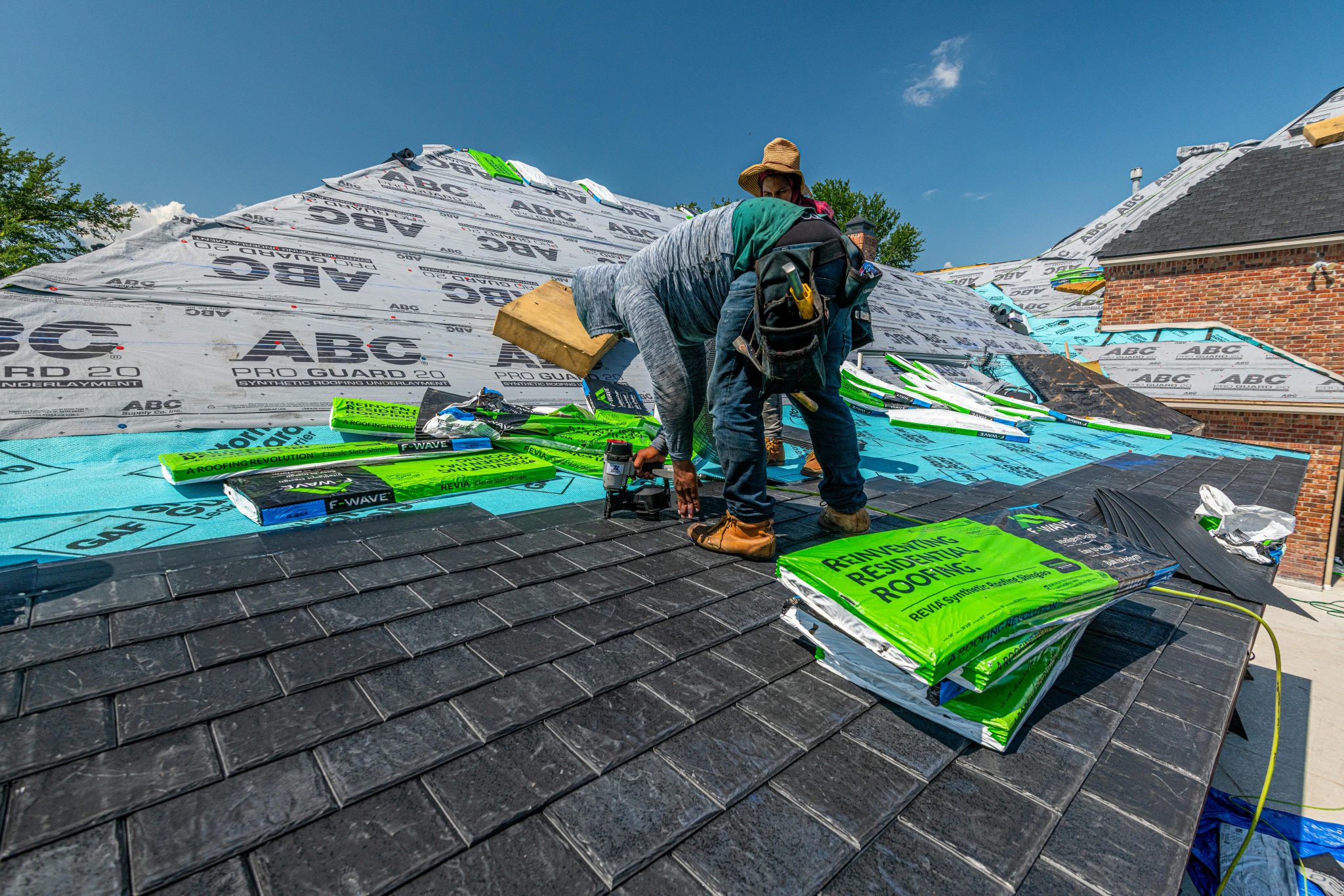
When a roof starts leaking, most homeowners care about two things right away: stopping the water and avoiding a drawn-out disruption. In places like Succasunna, where weather can swing from humid summer storms to winter freeze-thaw cycles, roof damage rarely arrives at a convenient moment. A small issue can stay quiet for months, then suddenly show itself during a hard rain, a windy night, or the first snowmelt of the season.
That is where experienced crews separate themselves from everyone else. Efficient roof repair is not just about moving fast. It is about seeing the problem clearly, choosing the right fix the first time, protecting the rest of the home while work is underway, and avoiding the kind of shortcuts that turn one repair into three follow-up visits. Homeowners searching for Roof Repairs Succasunna NJ often assume speed comes from having a lot of workers on site. In practice, efficiency comes from judgment, preparation, and coordination.
A seasoned crew knows how to read a roof before a single shingle is lifted. They can often tell, within minutes, whether the problem is isolated storm damage, a flashing failure, ventilation-related deterioration, or a leak that appears in one room but starts somewhere entirely different. That ability saves time, but more important, it saves the homeowner from paying for guesswork.
Efficiency starts before the ladder goes up
The best roof repairs begin long before materials are carried onto the roof. Experienced contractors do not show up and improvise. They arrive with a plan based on roof type, pitch, age, weather exposure, and the clues the house gives them. A water stain on a ceiling might suggest a leak overhead, but seasoned roofers know water travels. It can run down rafters, collect around penetrations, and emerge several feet from the actual entry point.
In Succasunna, many homes have roofing systems that have seen years of seasonal stress. Ice dams, wind-lifted shingles, deteriorated pipe boots, worn valley flashing, and nail pops are all common repair triggers. A newer crew may focus on the obvious symptom. An experienced one works backward from the symptom to the source.
This matters because a repair that looks simple from the ground can involve several connected issues. A missing shingle may be only part of the story. If the underlayment below it has taken repeated moisture, if nearby fasteners have backed out, or if flashing was installed incorrectly years earlier, replacing one visible piece will not solve much. Skilled crews inspect the surrounding field of the roof, not just the damaged spot, and they do it quickly because they have seen the patterns before.
Good preparation also includes checking access points, staging tools safely, protecting landscaping, and planning material movement. That may sound basic, but it has a direct effect on repair time. Crews lose hours when they constantly climb up and down for forgotten tools, replacement flashing, matching shingles, or sealant that should have been on hand from the start.
Accurate diagnosis is the fastest route to a lasting repair
There is a misconception in home repair that speed and thoroughness are opposites. On roofs, the opposite is often true. The more experienced the crew, the faster they can be because they waste less motion and make fewer wrong assumptions.
Take a chimney leak, for example. A homeowner may notice moisture around the fireplace wall and assume the chimney cap is to blame. Sometimes it is. Just as often, the issue sits in step flashing, counter flashing, masonry deterioration, or a saddle behind the chimney that was never built properly. An inexperienced team may reseal exposed areas and leave. A veteran crew checks transitions, joints, surrounding shingles, and runoff patterns before calling the job done.
The same goes for skylights. People often blame the glass unit, but many leaks occur at the flashing kit or where old roofing materials around the skylight have broken down. Roof Repairs are full of cases where the visible issue tempts a simple patch, yet the durable fix requires removing adjacent material and rebuilding the transition correctly.
That diagnostic ability comes from repetition, but not mindless repetition. It comes from crews that have worked on enough homes to recognize subtle differences. A leak during wind-driven rain points the investigation one way. A leak only after prolonged storms points it another. Staining near soffits may suggest condensation or ventilation trouble rather than an exterior breach. Those distinctions save time because they keep the crew from chasing the wrong problem.
Local conditions shape efficient roof repair in Succasunna
Succasunna is not a generic roofing market. Local weather patterns influence how roofs fail and how repairs should be performed. Winter can be especially hard on shingles and flashings. Freeze-thaw movement stresses sealants and can widen tiny openings over time. Snow loads add pressure. Ice near eaves can force water under roofing materials that look intact from above. Spring and summer storms can then expose all the hidden weakness.
Experienced local crews understand these https://cashwdwv384.quillnesty.com/posts/how-to-prepare-for-a-roof-repairs-succasunna-nj-service-visit patterns. They know that what appears to be minor granule loss on aging asphalt shingles may indicate broader brittleness after years of weather cycling. They know where wind tends to attack first on certain roof geometries, especially hips, ridges, rake edges, and areas around dormers. They also know that a quick sealant application during the wrong weather can fail early, creating a false sense of security.
That local knowledge affects scheduling too. Efficient contractors keep an eye on temperature, humidity, and incoming weather because repair materials respond differently depending on conditions. Shingles seal better within certain temperature ranges. Adhesives and roof cements need proper curing windows. Flashing work done carefully in fair conditions usually outperforms rushed work squeezed in ahead of a storm.
Homeowners searching for Roof Repairs Succasunna NJ benefit most from crews who treat local conditions as part of the repair strategy, not background information. It is one thing to know roofing in general. It is another to know how a roof in Morris County behaves after years of snow, wind, tree cover, and seasonal moisture.
Strong crews work like teams, not just individuals
One of the clearest signs of an experienced repair crew is that everyone on site seems to know their role without constant discussion. That does not happen by accident. Efficient crews build routines. One person handles setup and protection. Another verifies materials. A lead roofer assesses the repair area and confirms the scope. Someone else manages debris and cleanup as work progresses instead of leaving everything for the end.
This coordination matters because roof repair is full of small delays that can multiply. If tools are scattered, if materials are not staged correctly, or if no one is clearly responsible for checking surrounding damage, the job slows down fast. Worse, mistakes become more likely. A rushed worker might step on a brittle shingle in cold weather, miss a lifted tab nearby, or fail to notice soft decking around a penetration.
By contrast, a practiced crew moves with a rhythm. They talk when needed, but they do not need to over-explain every step because the process is familiar. On more complex repairs, especially where flashing and shingle integration both matter, this teamwork can shave hours off the job while improving quality.
A homeowner often notices the difference in simple ways. The truck is loaded sensibly. Materials come out in sequence. Tarps and magnetic sweepers are not afterthoughts. The site stays organized. Questions get answered clearly because the crew leader understands not only the repair but also the timing, expected noise, and what the homeowner should watch for after the work is complete.
Material knowledge keeps repairs from becoming repeat visits
Not all roofing materials behave the same, and not every repair technique belongs on every roof. Experienced crews know how to match shingles by profile and color as closely as possible, when existing materials are too brittle to manipulate without causing collateral damage, and when a repair should extend beyond the visible trouble spot.
That knowledge is especially important on older roofs. A ten-year-old architectural shingle can usually tolerate careful surrounding work. A twenty-year-old roof that has baked through repeated summers and winters may crack when lifted. In those cases, efficiency does not mean forcing a localized repair that breaks adjacent shingles and grows the work area unexpectedly. It means setting realistic expectations early.
The same principle applies to flashing metals, sealants, underlayments, and ventilation components. A quality repair integrates materials that work together. Mismatched metal can corrode. The wrong sealant can fail or become brittle. Reusing compromised flashing to save a short-term cost often leads to another leak at the first hard storm.
An experienced crew usually carries a broader inventory because they know what tends to come up. That alone improves efficiency. If they discover deteriorated step flashing or a failed pipe collar once shingles are opened, they can often address it immediately rather than pausing the job to source parts. Homeowners appreciate speed, but they appreciate one-and-done repairs even more.
What seasoned roofers look for during a repair visit
Even when the visible damage seems limited, experienced crews inspect the nearby system because roof problems like company. A leak at one penetration may coincide with early wear in adjacent areas, especially on aging roofs.
Here are the areas seasoned crews often evaluate during Roof Repairs:
- Flashing transitions around chimneys, walls, skylights, and vents
- Shingle condition near the damaged section, including brittleness, curling, and loosened tabs
- Signs of exposed fasteners, nail pops, or backed-out nails
- Underlayment and decking condition if moisture intrusion appears prolonged
- Attic indicators such as staining, poor ventilation, or condensation patterns
This does not mean every repair turns into a major project. Often it means the crew catches a secondary issue while they are already positioned to fix it. That is efficient for everyone. The homeowner avoids another service call, and the contractor leaves knowing the repair addressed the real vulnerability, not just the loudest symptom.
Weather windows and timing are part of the craft
Homeowners understandably want leaks stopped immediately, especially when water is entering living space. Experienced crews know how to balance urgency with proper execution. Sometimes that means applying a temporary protective measure first, then returning for the permanent repair when conditions allow safe and reliable work.
There is real judgment involved here. A rushed repair on a wet roof can be unsafe and less durable. Shingles may not seat properly. Sealants may not bond as intended. Wet decking can hide the full extent of moisture damage. A professional crew explains those constraints without using them as an excuse for delay. They stabilize the problem, protect the house, and schedule the permanent work as soon as the weather cooperates.
In my experience, this is one of the biggest differences between companies that simply complete tickets and those that truly manage roof repair well. Good crews respect weather. They do not pretend they can outwork it. At the same time, they know how to minimize exposure. Tarping techniques, strategic staging, and sequencing the repair so vulnerable areas are opened only when necessary all contribute to job efficiency.
In a place like Succasunna, where rain, wind, snow, and temperature swings all shape the repair calendar, timing is not a side issue. It is a core part of delivering quality Roof Repairs efficiently.
Communication reduces delays almost as much as labor skill
A roof repair can go sideways because of poor communication just as easily as poor workmanship. If the homeowner does not know where active leaking appears, when it happens, or whether past patch attempts were made, the crew starts with less information. If the contractor does not explain what they found and why one repair method is better than another, confusion can slow approval and scheduling.
Experienced crews usually ask sharper questions. They want to know whether the leak appears only during heavy rain, whether snowmelt has caused trouble before, whether the attic has been inspected, and whether any recent work was done on siding, gutters, masonry, or solar equipment. Those details help narrow the diagnosis.
They also communicate clearly once the repair is underway. If they uncover damaged decking, they say so promptly. If matching shingles are close but not exact due to age and sun fade, they explain it before installation. If the repair reveals that the roof is nearing the point where broader replacement should be discussed, they present that honestly rather than overselling the current job.
This type of communication makes the work more efficient because decisions happen in real time. The crew is not left waiting on preventable misunderstandings, and the homeowner can make informed choices before the roof is reassembled.
Efficient does not mean cheap, and cheap rarely stays efficient
One of the more expensive mistakes homeowners make is choosing a roof repair based only on the lowest number. The cheapest bid often assumes the narrowest scope. It may address only the visible symptom, use lower-grade materials, skip protective steps, or underestimate labor time. On paper, that looks efficient. In practice, it can lead to callbacks, interior damage, and larger repairs later.
Experienced crews are usually more precise in how they price because they know where hidden complications tend to live. That does not mean every repair becomes expensive. It means the estimate has a better chance of reflecting the real work involved. If decking repair is a possibility, they mention it. If older shingles may crack during surrounding access, they account for that risk. If a flashing rebuild is more reliable than another sealant patch, they say so.
For homeowners in Succasunna, the better question is not, “Who can repair this roof the fastest for the lowest price?” It is, “Who can solve this problem efficiently without creating another one?” Sometimes the answer is a modest localized repair. Sometimes it is a more involved correction that costs more today but prevents repeated leak investigations over the next two years.
A brief look at what homeowners can do to help the process
Experienced crews can work around a lot, but a prepared homeowner helps the repair go smoother. Small steps can save time on arrival and reduce confusion during the visit.
A few practical ways to support efficient Roof Repairs are:
- Note exactly when and where leaks appear, including whether wind or heavy rain affects them
- Clear driveway access and move fragile outdoor items away from the work zone
- Provide attic access if the crew may need interior confirmation
- Mention any previous roof, chimney, gutter, or siding work near the problem area
- Ask how the repair will be handled if hidden damage appears once materials are opened
None of this replaces professional diagnosis, but it gives the crew a cleaner starting point. The better the information, the faster they can zero in on the right solution.
The value of repair judgment on older and newer roofs
Not every roof presents the same decision tree. On a relatively new roof with isolated storm damage, efficient repair can be straightforward. Replace the compromised materials, verify seals, check flashing, and monitor. On an older roof with multiple weak points, the smartest repair may still be targeted, but it requires more care and a clearer explanation of limits.
This is where real experience matters most. Some contractors push replacement too early because it is simpler for them operationally. Others patch roofs long past the point where patching makes financial sense for the homeowner. The best crews know the middle ground. They understand how to perform a repair that buys useful time without overselling permanence. They also know when to say that the roof can be repaired, but the homeowner should plan ahead because surrounding components are wearing out.
That kind of honesty is efficient in its own way. It keeps homeowners from making decisions based on false certainty. A repair can still be worthwhile even if the roof has only a few years left, especially if the goal is to stop active leaking and bridge to a planned replacement. But the repair strategy should match the roof’s remaining life.
Why repeatable process matters on every job size
Some homeowners assume process only matters on full roof replacements. In truth, process may matter even more on repairs because repair work is less forgiving. A replacement gives crews the chance to rebuild broad sections systematically. A repair asks them to tie new work into old materials, isolate damage accurately, preserve what still has life, and leave the roof watertight without overdisturbing nearby areas.
Experienced crews rely on repeatable habits to do this well. They document conditions, protect the site, verify material compatibility, inspect beyond the visible symptom, and test their assumptions. On some repairs, that means controlled water testing after the work is complete. On others, it means checking attic conditions or photographing concealed damage before covering it back up. These habits do not slow work down. They keep repairs from failing quietly.
That is the core truth behind efficient Roof Repairs Succasunna NJ service. Efficiency is not frantic motion. It is disciplined execution. The crew that diagnoses accurately, stages intelligently, communicates clearly, uses the right materials, and respects local weather almost always finishes stronger than the crew that simply rushes to be first off the roof.
For the homeowner, the benefit shows up in practical terms. Fewer callbacks. Less interior disruption. Better protection during the next storm. More confidence that the invoice paid for a real fix, not a temporary disguise. When roof repairs are handled by people who know how roofs actually fail and how homes actually leak, efficiency stops being a sales word and becomes visible in the workmanship itself.
Royalty Exteriors
Address: 151 NJ-10 Ste 103A, Succasunna, NJ 07876
Phone number: +19733337234
FAQ About Roof Repairs Succasunna NJ
How much should I pay for roof repairs?
Most homeowners pay an average of $900 to $1,200 for roof repairs, with typical projects ranging from $150 to $3,000+ depending on the severity of the damage.
What are the most common roof repairs?
The most common roof repair is fixing water leaks by replacing damaged, cracked, or missing asphalt shingles and sealing compromised flashing.
Does homeowners insurance pay for roof repairs?
Homeowners insurance pays for roof repairs only if the damage is sudden and accidental, such as from a storm, hail, or a falling tree.